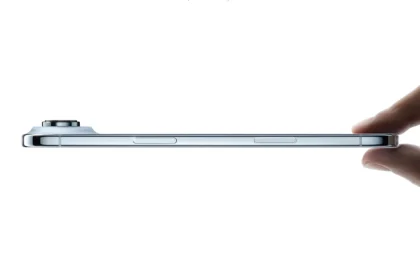


Apple may finally be ready to remove the physical SIM tray from its Pro iPhones in Europe. The upcoming iPhone 18 Pro and iPhone 18 Pro Max could ship as eSIM-only devices across European markets, aligning the region with the U.S. strategy introduced back in 2022.
If true, the move would mark one of the most significant hardware changes to hit iPhones in Europe in years.
What’s Changing With iPhone 18 Pro?
The report suggests that only the Pro models — expected to launch this fall — will adopt the eSIM-only configuration in Europe.
Apple already removed the SIM tray in U.S. models starting with the iPhone 14, forcing users to rely entirely on digital SIM activation. Since then, American buyers have had no physical SIM slot on flagship iPhones.
Now, the same approach could arrive with the iPhone 18 Pro and iPhone 18 Pro Max in European markets.
Why Apple Is Pushing eSIM
At first, the removal of the SIM tray didn’t bring visible advantages for users. But things changed with the iPhone 17 Progeneration.
By eliminating the physical SIM hardware, Apple reportedly freed up internal space. That extra room was used to increase battery capacity in certain models — delivering a real, measurable benefit: longer battery life.
For some power users, gaining even 100–200 mAh can translate into several extra hours of usage over time. In that context, removing a mechanical component starts to make engineering sense.
Beyond battery gains, eSIM also offers:
- Faster carrier activation
- Improved water and dust resistance (fewer openings)
- Easier switching between operators
- Reduced hardware complexity
Will the Base iPhone 18 Follow?
The situation appears less clear for the standard iPhone 18.
Reports indicate that Apple may revise its release calendar starting in 2026, reserving September launches for Pro models while shifting base variants to a spring release window in 2027.
Because the non-Pro model traditionally targets a broader audience, Apple could choose to keep the physical SIM slot there — at least temporarily — to avoid friction in markets where eSIM adoption remains uneven.
Still, the long-term direction seems obvious: physical SIM cards are gradually disappearing.
Is Europe Ready for eSIM-Only iPhones?
eSIM support has expanded significantly across Europe, with most major carriers now offering full compatibility. However, smaller regional operators and prepaid services may still rely on physical SIM infrastructure.
For frequent travelers, switching carriers digitally is often more convenient. But users who regularly swap SIM cards between devices could see this as a limitation.
The key question is simple:
Would you buy an iPhone without a SIM tray?
With Apple historically leading industry shifts — from removing the headphone jack to eliminating chargers from the box — resistance tends to fade quickly once adoption becomes mainstream.