
Apple is expected to mark 20 years of the iPhone with a special anniversary model, commonly referred to as the iPhone 20, but the device may not deliver the all-screen display design some users are hoping for.
Earlier reports, including one from Bloomberg, suggested that Apple is working on an all-glass iPhone with curved edges on all four sides and no visible cutouts. According to those claims, Face ID components and the selfie camera would be placed under the display, resulting in a completely uninterrupted screen — a first for mainstream smartphones.
However, display industry analyst Ross Young has cast doubt on those expectations. In recent posts on X, Young stated that the iPhone 20 is still likely to feature a punch-hole camera at the top of the display, even if some Face ID components move under the panel. He added that Apple’s transition to a true all-screen design is expected to happen gradually rather than all at once.
Apple’s gradual approach to under-display technology
According to Young, Apple may adopt a multi-stage roadmap for removing visible display cutouts. This would begin with a smaller notch or reduced Dynamic Island around 2026, followed by under-display Face ID components by 2028. The selfie camera, however, is not expected to move under the display until closer to 2030.
This cautious approach mirrors challenges seen on Android devices. Samsung Galaxy Z Fold 3 introduced under-display camera technology in 2021, but Samsung later acknowledged compromises in image quality due to diffraction, blur, and light artifacts. Subsequent models have retained traditional hole-punch cameras on their cover displays to preserve camera performance.
Camera quality remains a key concern
Apple has continued to upgrade its front-facing cameras, underscoring their importance beyond casual selfies. Recent iPhones feature high-resolution sensors, advanced video stabilization, and features like Center Stage, which are critical for FaceTime calls and content creation.
Because of this, analysts believe Apple is unlikely to introduce an under-display selfie camera unless it can match the quality of existing hole-punch designs. Poor performance in earlier under-display camera implementations, particularly in low light and video calls, remains a major barrier.
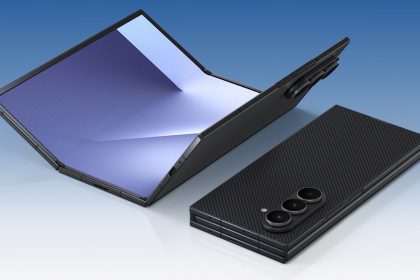
Apple is also rumored to test under-display camera technology first on a future foldable iPhone, which could serve as a proving ground before the design reaches mainstream iPhone models.